There is something unspoken as we meet. In the best of moments, there is a connection from my eyes to yours, from your eyes to mine. Life is wide open. There is love.
And we know when it is here
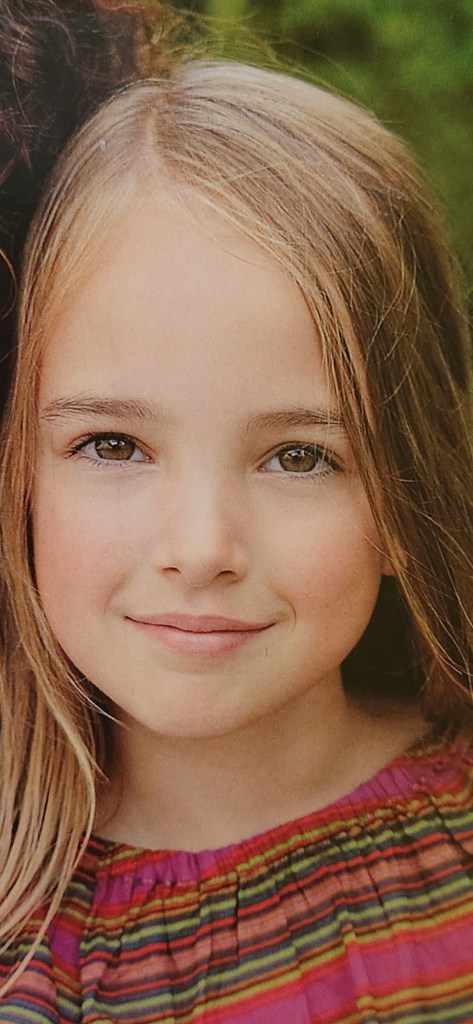





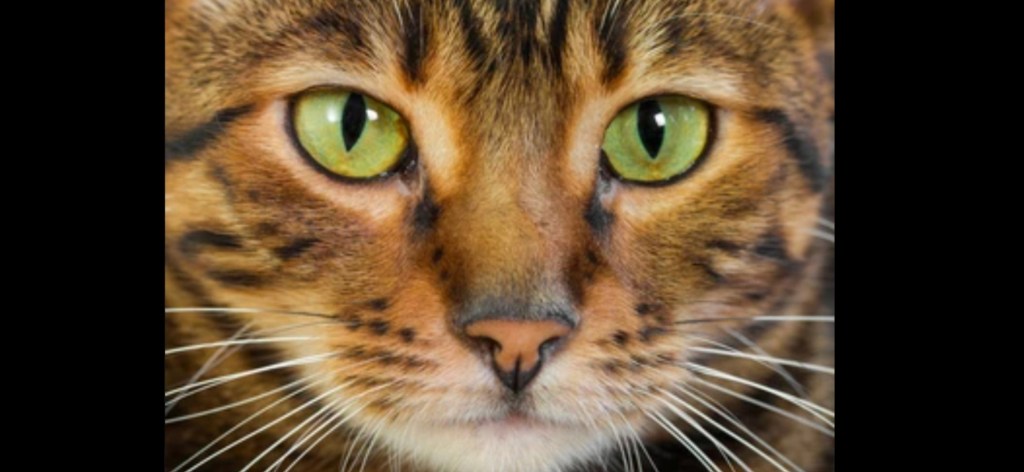



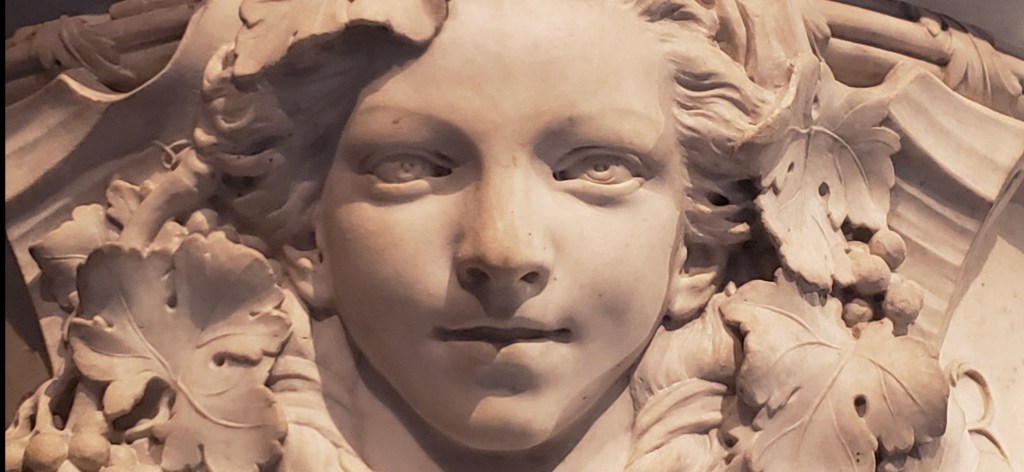
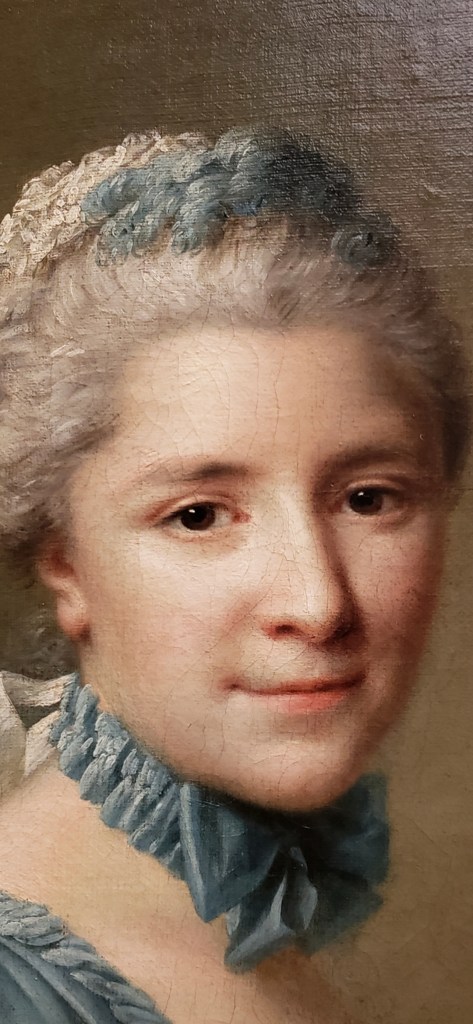


There is something unspoken as we meet. In the best of moments, there is a connection from my eyes to yours, from your eyes to mine. Life is wide open. There is love.
And we know when it is here
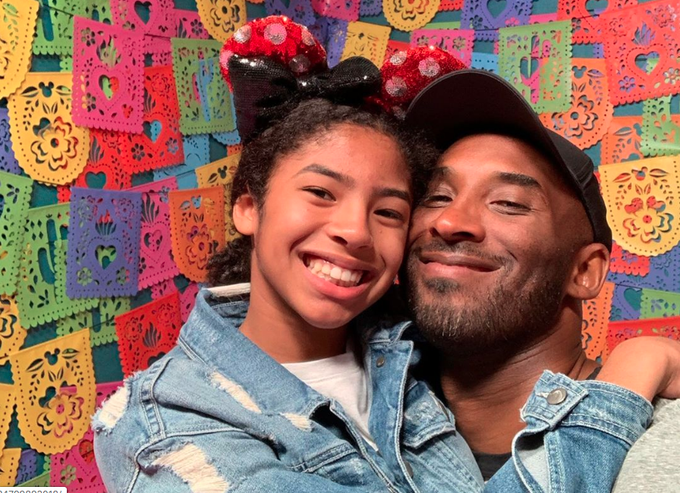
Kobe and Gianna
He was a star NBA basketball player. “Words can’t describe and it doesn’t do any justice to who he is and how he impacted the sports world.”
She played on her middle school team. “She was fiery and stubborn. She knew what she wanted and fought to get it.”
Together they died in a helicopter crash … father and daughter.
“Kobe was known to gush about her tenacity as a player.” “Bryant often said his daughter’s passion for basketball rekindled his own love of the game, especially after his retirement.”
In a letter to Gianna’s mom, best friend Aubrey spilled forth her love: “I hope that in the midst of your intense sadness you catch a glimpse of joy in who the daughter that you created and raised was.”
Kobe and Gianna loved each other till the words faded away.
***
We don’t know much. We can’t see the “after” and we can’t easily behold beyond the world of objects and time.
I say solid stuff is just the beginning. We love flowers and poems. It feels like they’re bridges to something so soft and pass-through.
Love migrates, I think, leaking out of our decomposing shells and roaming worlds shapeless and shining. And maybe returning to abide awhile in a loved one’s basketball or ball cap or in a favourite DVD.
When two go at the same time, perhaps there’s vibrating together in some netherland, spanning the rainbow, sitting quietly without bodies getting in the way.
Love continues and celebrates in ways that our tiny heads can only point to. Let’s just close our eyes and smile. Gianna and Kobe are here, there and everywhere, sharing the mellow moments with all who come close.
I think of people who work in office cubicles all day, staring at their screens, only seeing the tops of other employees’ heads as they pass by.
I think of packed downtown streets full to the brim with humans in a hurry to get somewhere, their heads tilted down to smaller screens.
I think of a living room full of partygoers – some group conversation of negligible topics and the occasional person sitting off to the side.
Loneliness is alive … and ill.
We need together, not alone. We need connection.
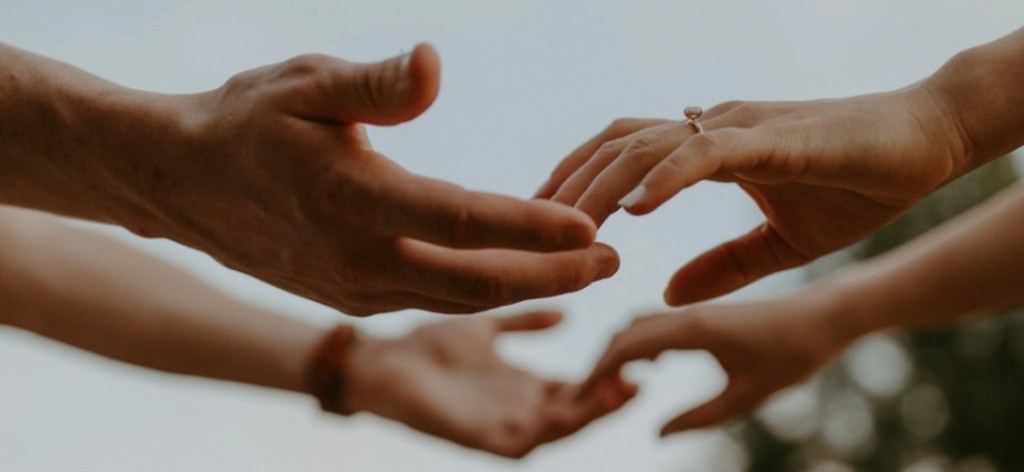
I imagine four hands. I wonder what they can do together. On the surface they look the same but look closer … their particularities are distinct. Each is magic in the world.
I see them at the piano. The thrill of a melody well played. The sweetness of harmonies down below. Two hands lead and two hands follow. Then, just for fun, they switch. All in the wonder of musical union.
See the hands
Feel the piece
Come close
Sheets and towels today after Baziel left for his new place. The first time on his own – not needing to adjust to his family, or recently to me.
There are three of us immersed in our phones as the machines spin. Her middle-aged thumbs move fast. His elderly finger swipes up.
A young man in a ball cap rolls in, exchanging a brief smile with the woman. He starts shoving his wet stuff into a bag while she returns to her tapping. Two minutes later he’s gone.
It’s such an ordinary time … silence accompanied by a soft whirring. The three of us are alone in our worlds.
Even though I’m doing a blog post, I want contact. My first few visits it was easy. “Which wash setting is best?” “Which driers give you the most heat?” Now it’s more of a challenge. I don’t have any questions.
A newcomer! A fellow wearing a wool hat. In Canada, we call that a toque. (Wait a minute, I’m not in Canada anymore.) I decide to say “Hi” to him if he walks by. He’s putting in his coins.
Here comes the old guy, full bag in hand. I smile. He smiles. I say “Hi”. He says “Dag”.
Now the hatted guy is making an brisk exit. I turn my eyes towards his. He looks the other way.
I see an opportunity. I amble to the woman. Once I get that she speaks English, I say “That man just said ‘Dag’ to me. What does that mean?” She was happy to give me the answer: “It means ‘Hello’ or ‘Good Day’.” Smiling broke out both ways. Contact.
Here’s another old fellow, heading to a drier with his clothes. The one euro coin won’t drop for him. Happily I know that drier. “You need to go to the change machine and get two 50-cent pieces. They’ll work.” This newbie Bruce gets to help an even newer newbie. Sweet.
A young woman, perhaps from India, is leaning into the washer next to mine. I smile and say hello. She has an astonished look on her face and utters a sound which I don’t understand. She turns away quickly. Oh well.
The original tapping woman is running napkins and tablecloths through a pressing machine. We used to call it a “mangle” in homage to crushed fingers. I ask her if this is for a restaurant. She smiles and says yes: “Valentjn”, just around the corner. “I should go.” “Yes, you’re always welcome.”
I share the drier space with a guy about 30. I say hello. He looks at me like I’m from another planet and returns to his shirts. Oh well again.
Now I’m home with bedding and towels that smell sweet. And the lovely scent of laundromat connection lingers. The moments of distance have faded away.
Children have usually been a big part of my adult life … but not now. I miss them.
I taught blind and low vision children. I got to know a lot of fully sighted kids as well. My favourite moments in school were when the child and I were in conversation. It didn’t matter what the topic was, as long as there was connection.
I’m sure you know when you and another human being are connected. It’s mysterious – beyond words, beyond eye contact – but you know it’s real.
Last night I went to the Celebration of Life for my dear friend Wim. First there was a Mass (in Flemish). The words escaped me but I could feel the love in the room. Three young kids read something. I smiled to see them play a part.
Afterwards, Lydia, Baziel, Lore and I were invited to join the family for drinks and snacks. I had a couple of cool 1-1 conversations in English. Often though, I was on the outside of a small group discussion in Flemish.
I decided to go find the kids. I walked into the TV room and there they were – five of them stretched out on a huge ottoman watching some show and a few others gathered around cell phones. Someone at the party had told me that children in Belgium start learning English at age 12, and all of these folks looked younger than that.
Some of the viewers noticed me sitting off to the side. Only one girl connected with the eyes. She came over to sit with me for a minute.
So … ten young speakers of Flemish and one adult speaker of English. Still worth a smile. Clearly “the conversation” was not going to happen. So I just sat there, happy to be in their presence. It was enough.
…
A task awaits in my Belgian future:
How to make an impact on young people in my new home
I’ll find a way
It was a long time ago. My wife Jody and I were vacationing with her family in Kananaskis Country – a stunning part of the Rocky Mountains in Canada. Jody and I decided to stay at a bed and breakfast for a few days. Our hostess welcomed us so beautifully … lots of smiles and kindness.
The next morning I got up before Jody and headed down to the dining room for coffee. The hostess and I chatted about life for half an hour and then she needed to get started on breakfast. We both stood up. She moved towards me with open arms. We held each other for maybe a minute. That’s a very long hug. And it was such a sweet one – no patting, no crushing, just a gentle lingering.
The hug wasn’t sexual. It was sensual but also something way beyond that. I was transported to an unknown land that somehow I recognized. Time stopped.
Since that moment, I’ve never been hugged that way again. There have been some delightful slow ones, imbued with love, but the depth of that Rocky Mountain touch was unique. At least so far.
I love hugging. I love cuddling. When it’s quiet (physically and spiritually), something sublime has the space to come through.
***
About a month ago I started having a strange thought, one that each time has brought a smile to my face:
In my soul I could hug everything … and everyone
I could have a long slow hug with any of my emotions that I’ve called negative: fear, sadness, hurt, anger. I could draw them close rather than pushing them away. We could be friends. I could hug my mistakes, large and small. I could hug my body, which isn’t as fast or strong as it once was. I could hug my memory, which often forgets!
I could hug mean people, such as Donald Trump and Vladimir Putin. I won’t hug behaviour that is demeaning or violent, but what about the person who performs such acts?
I love sitting in a question, letting it roam around my insides for days or years. There’s so much that is mysterious. What are my possibilities? What are our possibilities?
Would you like to explore?
They were staring at me through the basement window, steady in the eyes and sorrowful in the soul. Their gaze never left mine through the pane of glass. There was a silent request washed with resignation.
Why had these lives soured in the depths? Why weren’t my new friends scampering across the lawn? Would they have more tales to tell their loved ones, or was this the end?
I looked back, from the inside to the outside. Small kindred spirits stood motionless as they made my acquaintance. Was there something to do or should I turn away and proceed with my human endeavours?
I felt drawn to the world without walls. My apparatus sat still in the garage and I motioned it to my hand. Soon I was on the green grass at that very window. There was a squeezing and a lifting … and we were all free.

It’s a series on Netflix and I love it. It’s worthwhile to explore why.
I don’t want to live in these extravagant homes, even if I had the money. I’m happy in my three bedroom detached condo. I don’t want to spy on the “lifestyles of the rich and famous”. So often there’s no happiness there.
But there’s something that thrills me about this:

Look at those curves! Feel the ourageousness of it all. I want more of that in my life – off the wall, on the ceiling, flying through space.
Speaking of outrageous, the hosts of the series are a laugh a minute. Even better, Caroline and Piers thoroughly enjoy each other. I roared when she opened a heavy wooden door for him with a bow: “After you, my lord …”
Perhaps it is the scenic lots that have tickled my fancy:
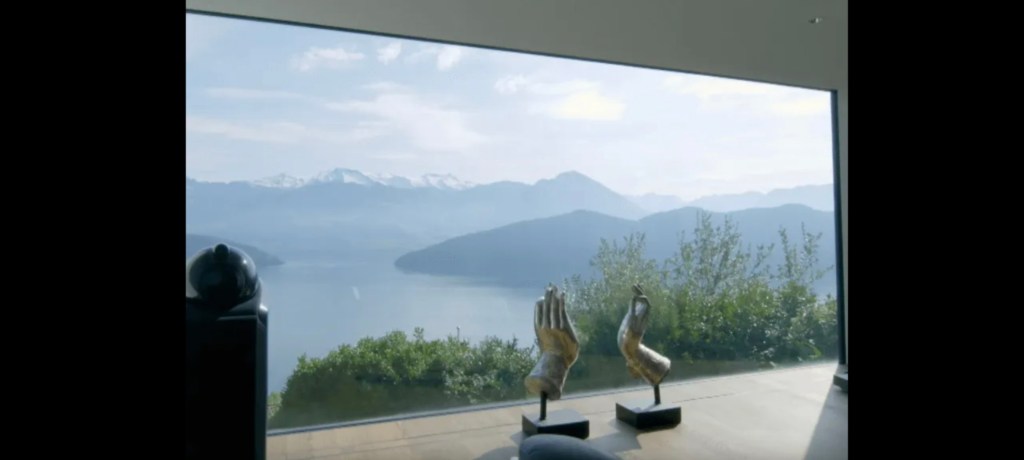
I love long vistas. My living room looks out on a farmer’s field. But I don’t need to be perched on the side of a mountain, above the rest of humanity, gazing down on a sublime lake.
The vistas of the spirit are even more stunning. The wide open spaces of two hearts beating as one. The touch of the infinite in the moment at hand.
The world of “different” is alive and well on the planet. Be noticed and talked about, for good or ill. Hey, I loved that curvy home. Here’s another noticeable:
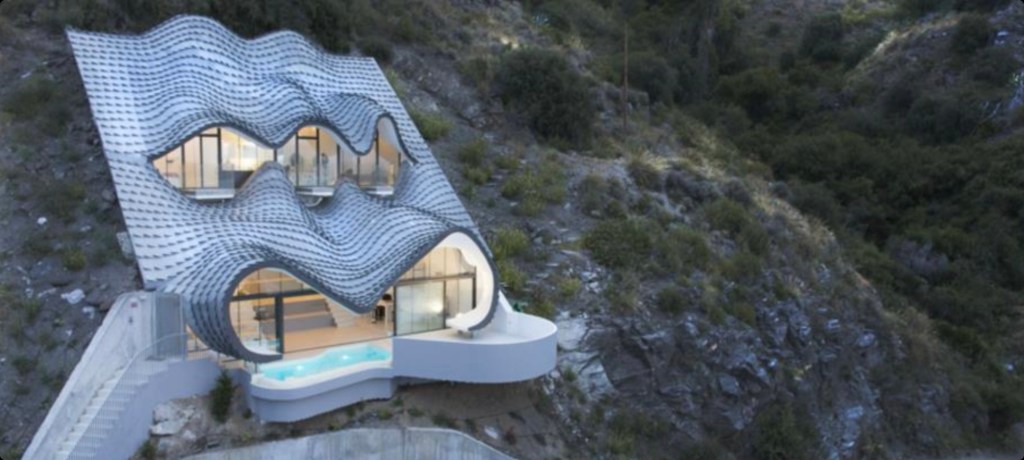
It’s cool … yes? But give me a real human being in the richness of their seasons. Give me the tears that fall – in sorrow or joy.
I love “Extraordinary Homes” for its smiles, its colours, its curves and its spirit. I smile too.
Over the last few days, I’ve watched a documentary on Netflix: Secrets of the Saqqara Tomb. It shows a dedicated team of archaeologists, historians, workers and even a medical doctor. They dig, uncover relics, decipher hieroglyphics on interior walls, study skulls and bones … and add to the story of Egyptian history. I was fascinated.
One thing I love about me is my welcoming of everyone, regardless of age, gender, culture, sexual orientation and personality. Watching this show, however, has shone light on my dark side, on my old assumptions about people.
Take the title of the documentary, for instance. “Why doesn’t ‘Saqqara’ have a ‘u’ after the second ‘q’? Surely to do so is normal. We all know how to spell ‘quiet’.” Western civilization goes with “qu”, but so what? Who is this “we all” that spells this way? Growing up, I absorbed the values of my parents and friends, as well as those of Canadian culture. My view of the world was narrow. I was swimming in the waters of ethnocentrism: “evaluating other cultures according to preconceptions originating in the standards and customs of one’s own culture”. Today I say “No thanks” to such distorted vision. But I didn’t have the eyes to see when I was twenty.
Temperatures at the dig were usually over 30º Celsius (86º Fahrenheit). People working there either wore long-sleeved shirts and jeans or traditional dress that covered the arms and legs. “Boy, they must be hot! Why don’t they wear t-shirts and shorts?” How my bias leaks out … unconsciously.
Another unexamined thought of mine apparently is that women wearing traditional African dress, including the Muslim headscarf called a hajib, would not be doing professional work. Once the team found the entrance to Wahtye’s tomb, and began excavating, the paintings on the wall were interpreted expertly by a woman wearing a hajib! My pause as I listened to her speak about the family relationships on those walls showed me that my spiritual development is incomplete.
Next to open my eyes was a medical doctor who was an expert on human bones and the stresses she saw there. She theorized that the reason children’s skeletons were buried with their parents was that this part of Eqypt was rocked with a malaria outbreak around 600 B.C. She analyzed the way people walked from how their leg bones fit together. “This bone should be more externally rotated if Wahtye was healthy.” Once again, while my current spirituality praises the insights of the doctor, somewhere lurking inside me are vestiges of a kid who learned that women don’t do important work. (Sigh)
Towards the end of the film, various folks working on the dig talked about Wahtye and his family. Their sensitivity to these ancient ones, their clear feeling of relationship with them, shone through:
The only place I sensed true sadness was in his burial chamber. There were no signs of luxury or indulgence. The coffin was just regular wood, and he wasn’t even mummified that well. Maybe the shock of his children’s death brought him to this.
***
We still need to find out how he died but it’s something very beautiful, which fills your heart with joy, to reveal the face of Wahtye.
***
I think this skull is Wahtye. At last I meet him! Something was happening in this bone. I’m trying to feel his pain and suffering.
***
On the walls, we see the dreams of Wahtye, what he hoped his afterlife would be. In his bones, we see the real story – one that is just like ours.
***
I am humbled, by human beings of the past and present
I still have much to learn
I just wrote an entire post … and it disappeared! (Sigh) I’ll go for recreating it, but I’m sad
***
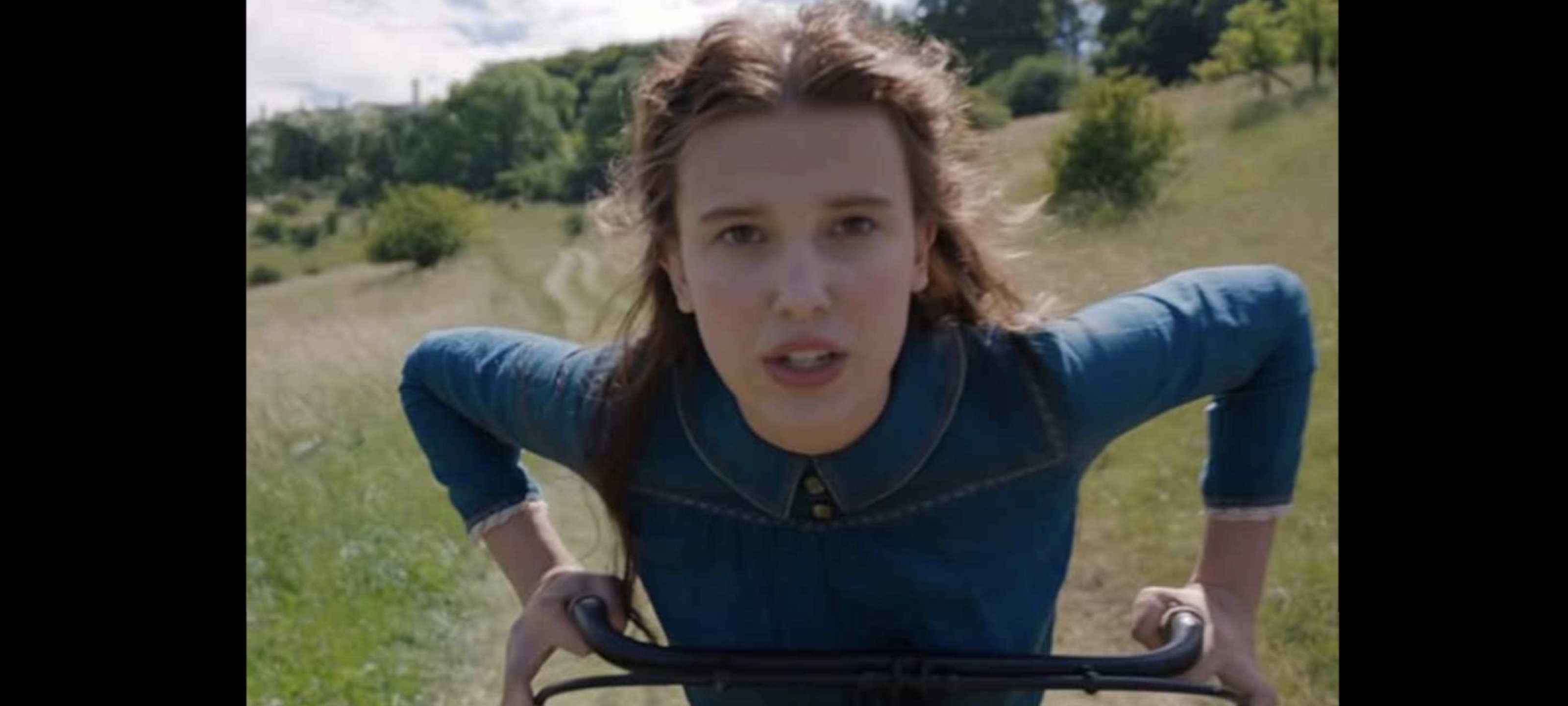
A few nights ago, I watched the film Enola Holmes on Netflix. The description sounded good: the younger sister of the master detective Sherlock Holmes has some sleuthing smarts of her own, and she outfoxes her bro as they both chase a case. Then I noticed that Millie Bobby Brown was Enola. I’ve enjoyed her acting in the TV series Stranger Things.
As the plot began unfolding, I started staring at Millie, with my mouth gaped open. She’s a pretty 16-year-old girl, but that wasn’t it. There are lots of pretty girls and women. This was far beyond physical appearance, age or most anything else you can think of. Millie’s face was bursting! Vibrating. Some faces stay put. Some recede. And some blast out into anyone who’s passing by. Such is Millie … and Michelle Obama … and South Africa’s Desmond Tutu. Each of these folks connect with us … effortlessly.
As one reviewer said:
The real attraction here is Brown’s turn as Enola. The character’s insistent lightheartedness might seem easy to pull off, but it’s not: With her constant addresses to the camera – from an underwater wink while a baddie tries to drown her, to a cheekily grandiloquent reveal of her identity to us while she attempts to go undercover as a widow – Enola could get real annoying real quick … But Brown is wonderful, selling the film’s girl-power ethos with just the right amount of playfulness, while retaining something sweet and sincere at the character’s heart. She conveys the energy of a kid discovering the wide world; her Enola moves with seeming confidence but has the darting eyes of a child.
Such aliveness resides not only on the silver screen, or within the halls of political power, or spoken from the pulpit. This exuberance shows up here – in all the “here’s” where we live. It shows up in that kid on the playground, that old codger at the coffee shop, that dancer on the sidewalk. Quite likely, it also shows up in …
YOU


 Bruce's Blog