Facing the Roof

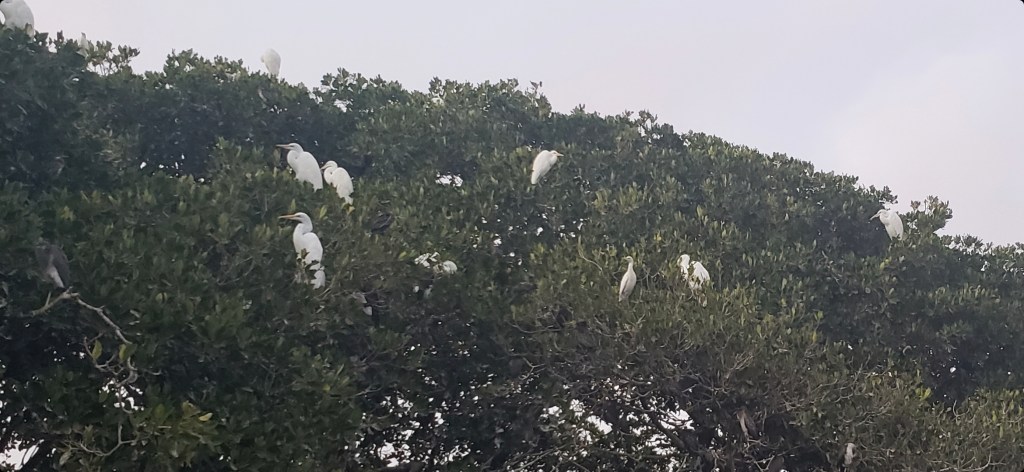
Perhaps I’m unusual. When I first joined my Belgian friends in Senegal in 2018, I heard about the white birds. Every day, as the sun declines, they return to a certain tree near Toubacouta, on an island in the middle of a river. We went there in a little boat.

As our host turned off the motor and we drifted a bit, all ten of us turned to the island. The birds started to come. Each probably had their favourite branch. It was time to sleep.

As the white mottled the green, I felt compelled to look behind me. I lifted my gaze to the treetops on the far shore. Wings burst over the branches and soared above my head. What a rush! But I was the only one looking the “wrong way”. And nobody joined me.

That really doesn’t mean anything. I just view things with a different slant than most people. Fine with me.

And now in Ghent, on the back terrace of my apartment on the Oudburg. The normal thing is to cast the eyes over the long view, to the glass of the Ghent River Hotel and the far away brown slate rooves. In the early hours of daylight, the seagulls fly left to right across the sky.

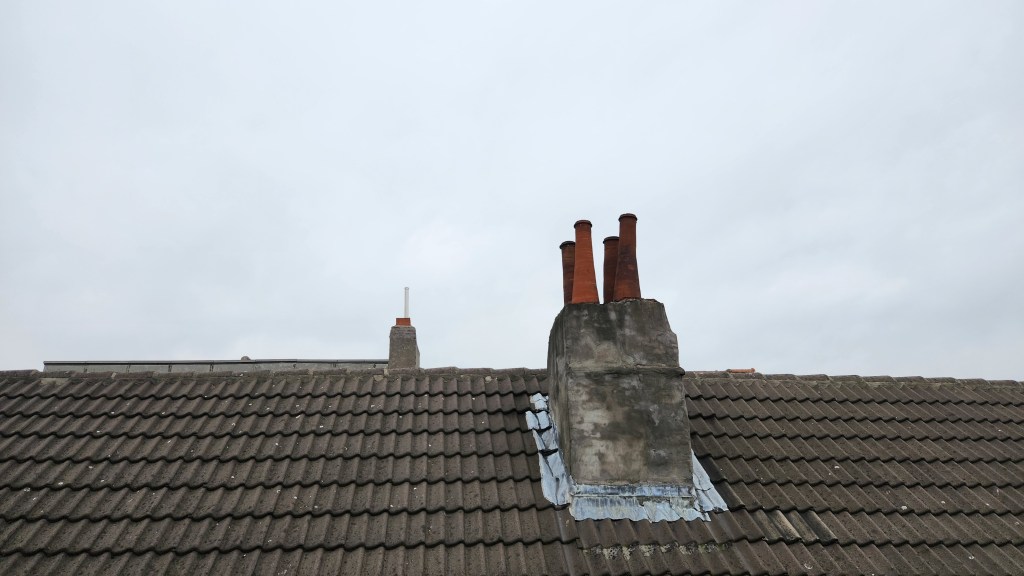
This morning, however, I took a chair and faced the roof to my left. I waited. And the explosions of birdness suddenly appearing over the spine left my mouth agape. Such raucous flight! For awhile I held my phone aloft, hoping for up close wings against the sky. Soon my arms got tired and I decided that you folks can see the image in your vivid imaginations.

Stunned to silence near Toubacouta
Stunned to silence in Ghent
It’s a small world
Being Different

I once asked kids at school why Nazis hated Jewish people. The most common answer I received was that “their religion was different”. In the US, for many decades some Americans have rejected millions of their fellow citizens because those folks had black skin.

I had the children visualize some leader entering the classroom, looking at each student, and culling out those whose eyes were blue. The unfortunate ones would then be ostracized, or worse. I believe that many of the kids got the message.

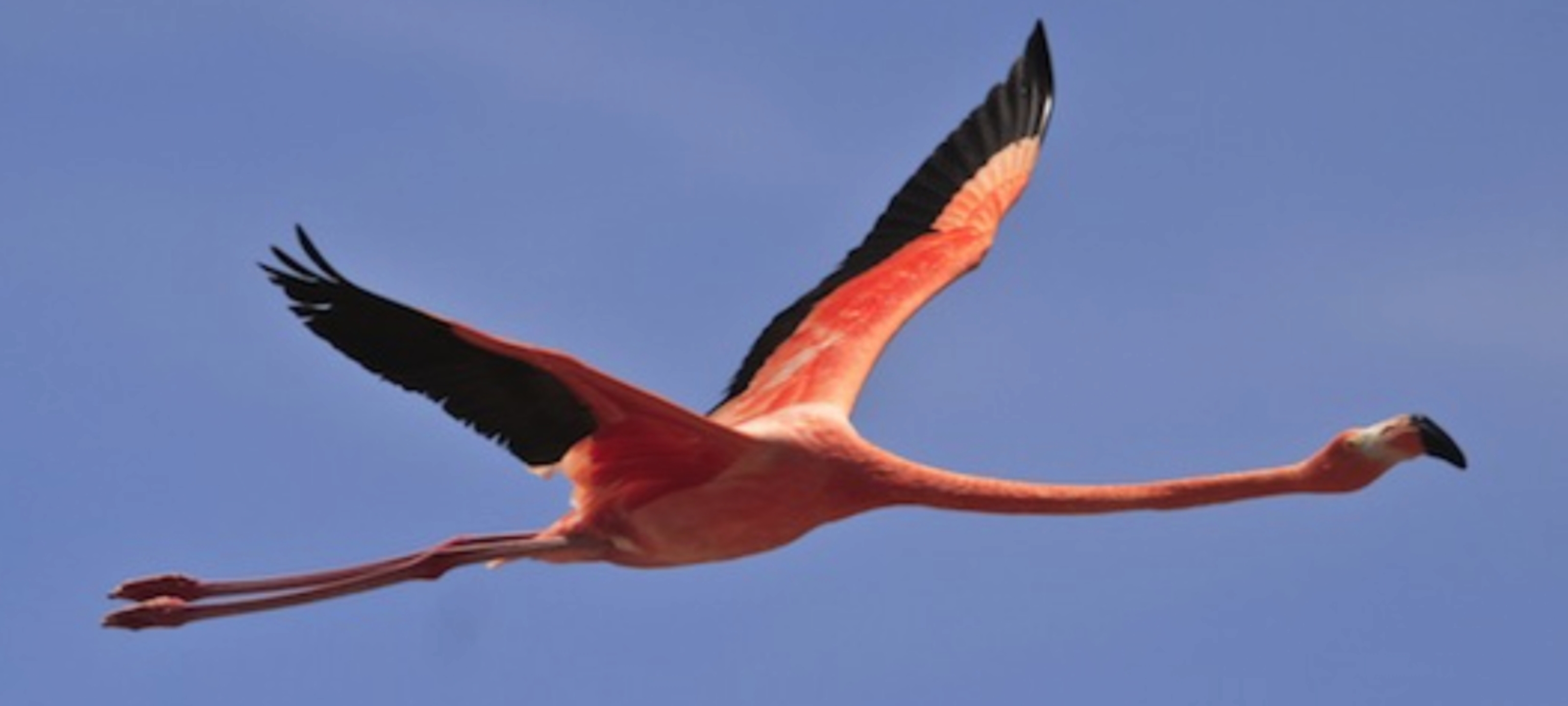
For a moment, imagine you’re a bird. Maybe you’re big, maybe you’re small. A fast flier or a slow poke. Bright plumage or muted. The differences are obvious but no big deal. You guys get along.

But here comes someone new:

What is that? Nobody should have a neck that long, and that coral colour is ridiculous!

Wait a minute now. Look at that weird twist in the neck. It should be a straight line. How does the thing even eat? And those legs! They’re not only grossly skinny, they bend … backwards! It’s an abomination. Drop poop on them all.

What?! That’s impossible – standing on one leg. And the idiot on the right looks like he’s sleeping. Birds are not meant to do these things. It’s unnatural. Only Big Bird has such powers. Let’s convince humans to shoot them all.

***

You’re different
Really different
You’re just a thing
And I hate you

The Eye of the Beholder

It was an episode of the black-and-white TV series The Twilight Zone. On November 11, 1960, viewers were presented with a woman lying in a hospital bed, her face covered in bandages. Doctors and nurses came and went, their faces wrapped in shadow, or their bodies turned away from the camera.

“Ever since I was a little girl, people turned away when they looked at me … one little child screaming … I’m used to bandages on my face. I’ve lived my whole life inside a dark cave.”

At the nursing station, the verdict was divided:

“If it were my face, I’d bury myself in a grave someplace.”

“Deeper than that twisted lump of flesh, deeper than that skeletal mask, I’ve seen that woman’s real face, nurse. It’s a good face. It’s a human face.”

On the TV overhead, the nation’s leader is giving a speech:

“Tonight I shall talk to you about glorious conformity … the pleasure of our unified society … We must conform to the norm!”

And now a conversation between doctor and patient:

“We’ll take the bandages off soon, Miss Tyler. You may very well have responded to these last injections … if not, please know that there are many others who share your misfortune … you can’t expect to live any kind of life among normal people … perhaps you’ll move into a special area in which people of your kind have been congregated.”

“You mean segregated!”

Later, the time of reckoning is at hand:

“We’ve done all we could do.”

“If I’m still terribly ugly, could I please be put away?”

“Under certain circumstances, the state provides for the extermination of undesirables.”

The bandages are slowly unwrapped. At the last turn, nurses gasp and cover their eyes. “No change!” Miss Tyler bursts from the room, running down the hall past horrified onlookers.

At the end of it all, Miss Tyler is introduced to Mr. Smith, “a representative of the group you’re going to live with. In a little while, you’ll feel a sense of great belonging.”

***

To help you appreciate this story even more, here are some photos:

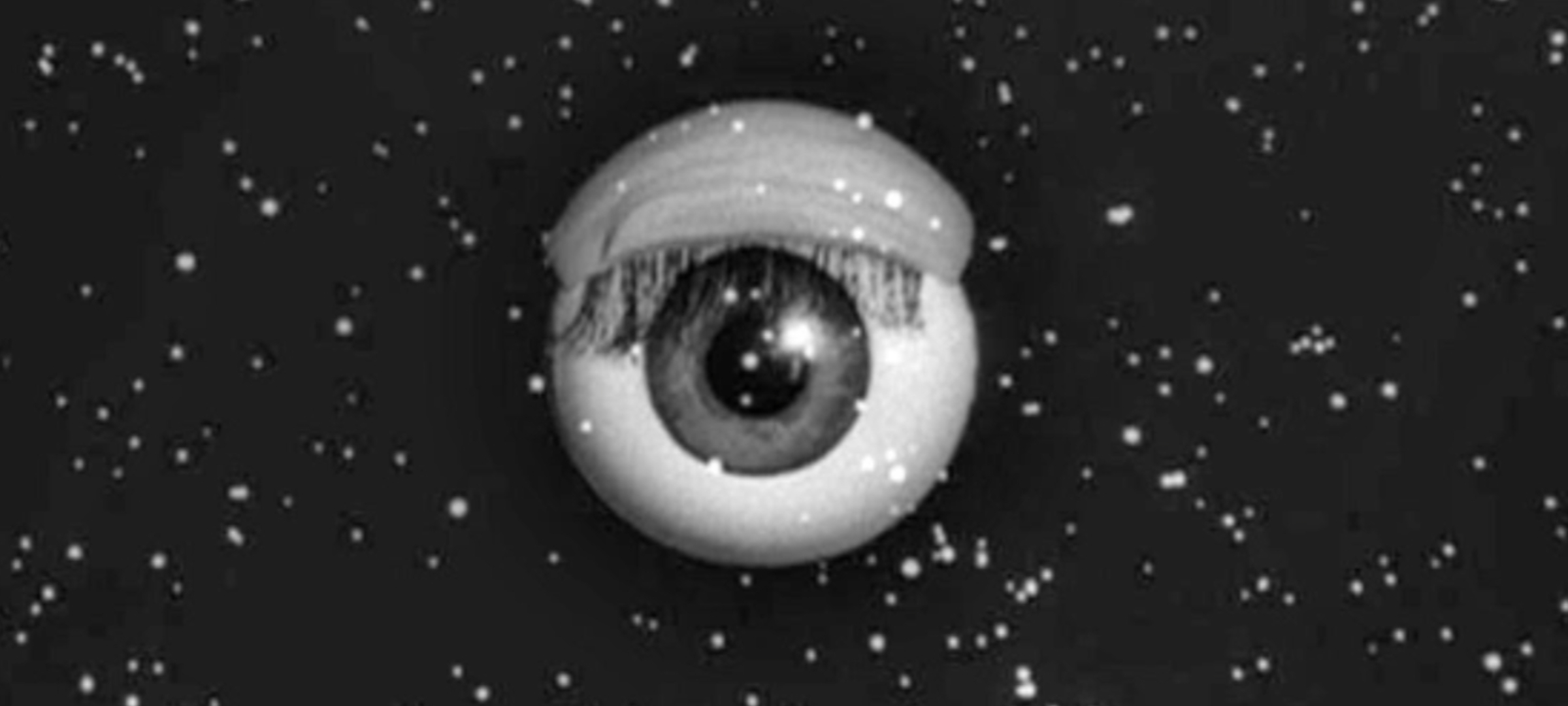
The first shows a dedicated doctor and nurse, overwhelmed by the appearance of the patient.

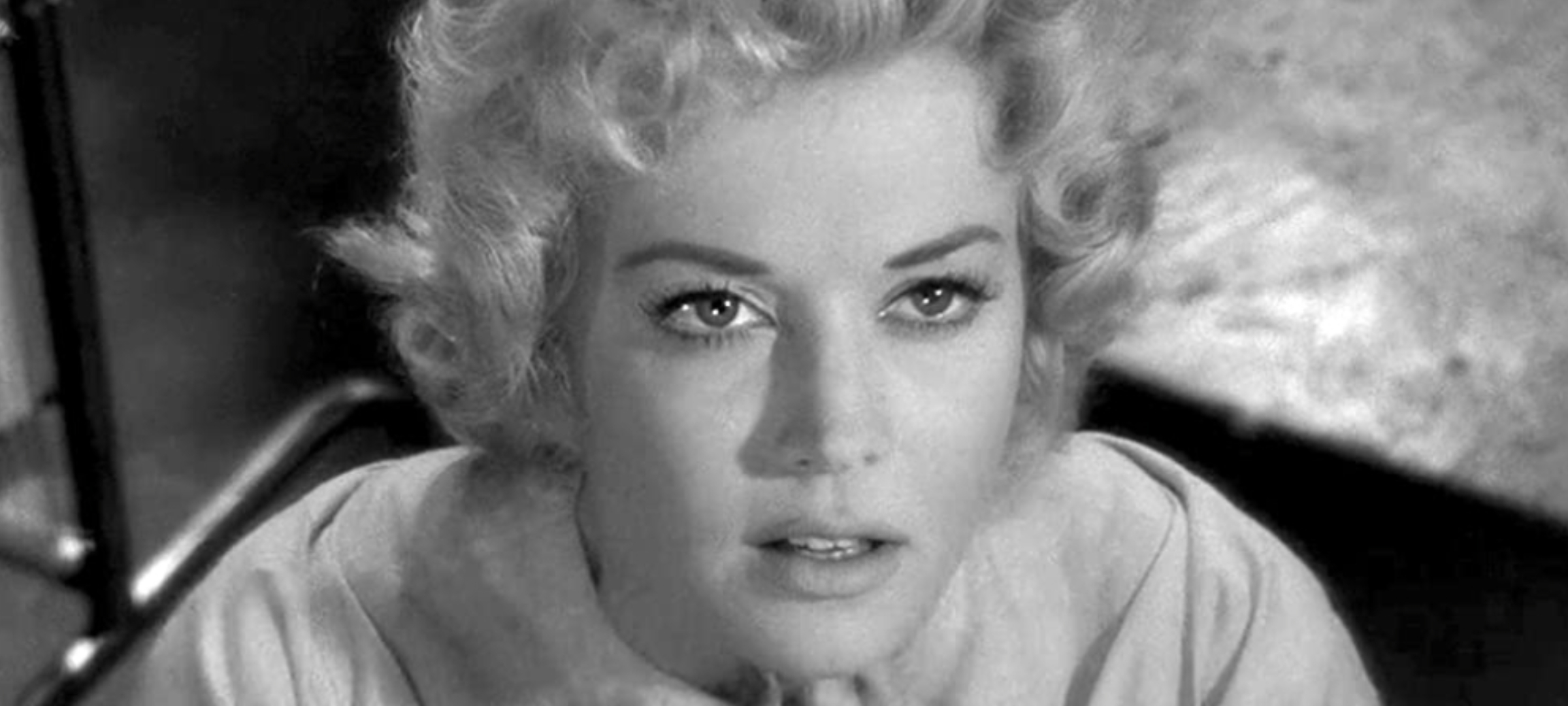
Next is the disfigured Miss Tyler.

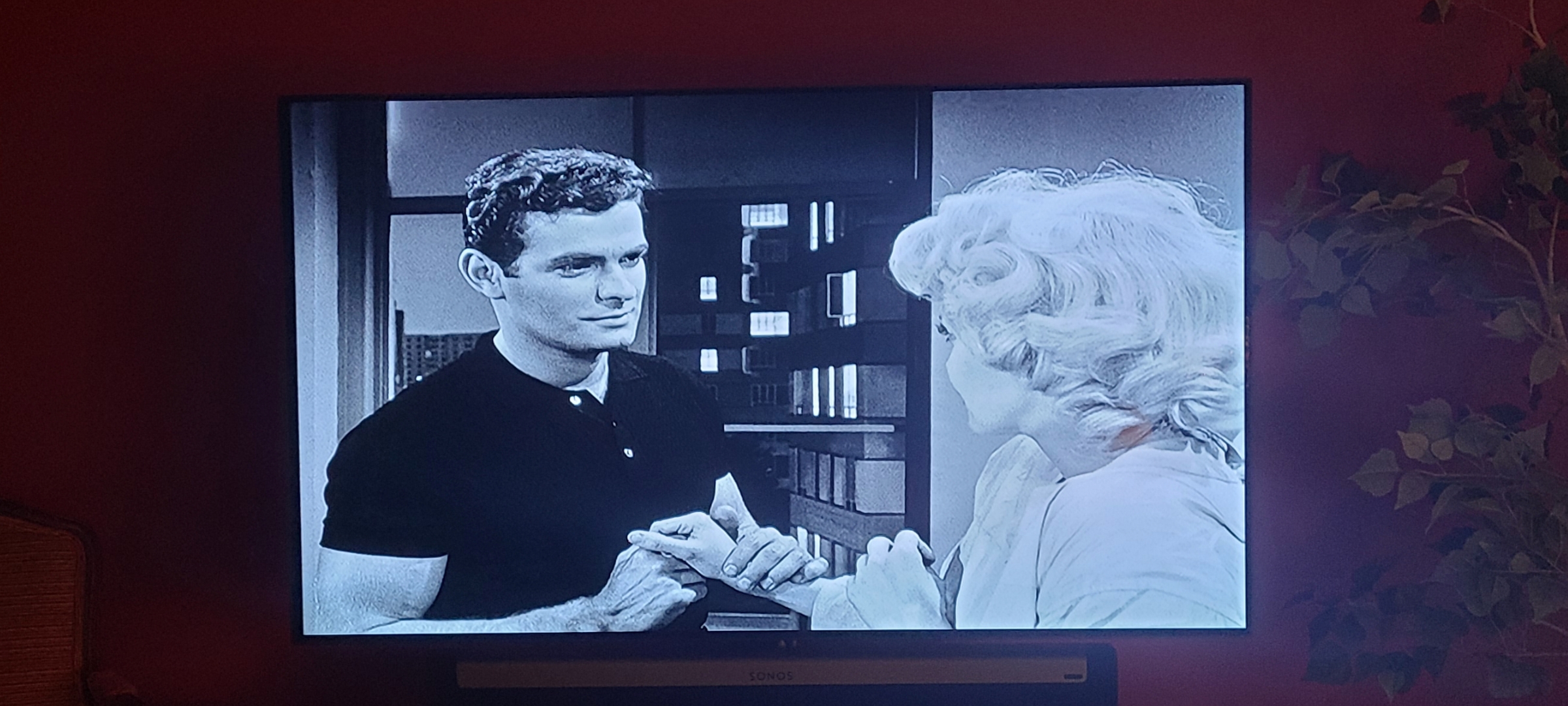
Finally, a similar abomination, Mr. Smith, offers Miss Tyler a place amid the untouchables.

Sadness

Being Different

Yesterday’s Toronto Star had a story about a little girl who loves bugs.  Sophia is seven years old.  Grasshoppers, worms, ants and snails are also part of her repertoire.

Her family moved to Ontario last year and Sophia had high hopes for her new school.  On the first day, she carried a caterpillar around.  A classmate wasn’t impressed:

“You’re weird.  You shouldn’t be playing with bugs.”

And when Sophia brought another caterpillar in for show-and-tell , a boy crushed it underfoot.  This fall, Sophia is transferring to another school where hopefully she will be accepted for being herself.

I thought back to 2001, when I was assisting a blind student in her sixth grade classroom.  One day the topic was your favourite type of music and a girl whom I’ll call Jessica stood up.  “I like classical music.”  Groans, grimaces and knowing looks followed.  But Jessica wasn’t to be swayed.  She loved playing her cello.

Hello, dear Jessica and Sophia
Carry on loving what you love
The world needs you